How to Get Fit for Your First Kerala Trek
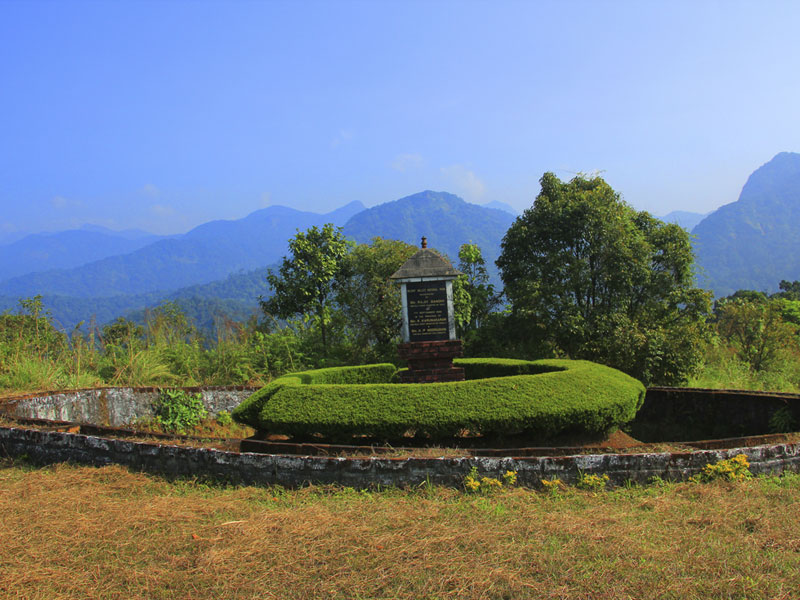
You do not need to be an athlete to trek in Kerala. Most of our first-timers are office workers, students, homemakers and parents who simply started walking a little more a few weeks before their trek. A bit of preparation makes the difference between a day you endure and a day you enjoy.
This guide gives you a simple four-week plan, a short strength routine you can do at home, and tips for pacing yourself on the trail.
How fit do you need to be?
It depends on the trek. Easy treks like Chimmini need basic fitness. Moderate treks like Peechi–Moodalmala or Meesapulimala mean a full day on your feet with steep sections. Multi-day treks like Agasthyarkoodam need real training. See how we grade our treks to find your level.
A quick self-check
If you can do both of these comfortably, you are ready for an easy trek today:
- Walk about 5 km at a brisk pace without stopping.
- Climb four or five floors of stairs without needing a long rest.
If either feels hard, that is completely fine. Give yourself four weeks with the plan below.
Your four-week plan
Fit this around work and family. Short, regular sessions beat one big weekend effort.
| Week | Walking | Stairs and hills | Strength |
|---|---|---|---|
| Week 1 | 30 minutes, 4 days | – | Routine below, 2 days |
| Week 2 | 40–45 minutes, 4 days | 10 minutes of stairs, 2 days | 2 days |
| Week 3 | 45–60 minutes, 3 days, plus one 90-minute weekend walk on uneven ground or hills | 15 minutes of stairs with a light backpack, 2 days | 2–3 days |
| Week 4 | Keep week 3 going, then ease off in the last 3 days before the trek | One session early in the week | 1–2 days, nothing hard in the last 3 days |
Walk at a pace where you can still talk but would rather not sing. That is roughly the effort you will hold on most trails.
A 15-minute strength routine
No gym needed. Do two or three rounds, resting a minute between rounds:
- Squats: 12–15 reps. Builds the legs you use on every climb.
- Step-ups: 10 per leg on a sturdy step or the bottom stair. The closest thing to trail climbing.
- Reverse lunges: 8–10 per leg. Helps with balance on uneven ground.
- Calf raises: 15–20 reps. For steep sections and long descents.
- Plank: 20–40 seconds. A strong core makes carrying a backpack easier.
Stop if anything hurts sharply. Mild muscle soreness the next day is normal.
Train with your trek gear
- Wear the shoes you will trek in on at least three or four walks, so blisters show up at home and not on the trail.
- Carry a small backpack with 3–4 kg (two water bottles and a jacket) on your longer walks.
- Practise drinking water regularly as you walk, not only when you feel thirsty.
Not sure what to carry? Use our packing checklist.
On the trail: pace and breathing
- Take shorter steps on climbs and keep a steady rhythm, even if it feels slow.
- Breathe through your nose and mouth, and slow down before you are out of breath.
- Take short standing breaks of a minute or two rather than long sit-downs, which make restarting harder.
- On descents, bend your knees slightly and place your feet carefully. Most slips happen on the way down.
- Tell your trek lead early if you are struggling. Our team plans for every pace, and nobody gets left behind.
The week of your trek
- Sleep well for two or three nights before the trek.
- Drink enough water through the week, and eat your normal meals the night before.
- Skip hard workouts in the last three days, so your legs are fresh.
- Pack the night before, so the morning is calm.
Planning a tougher trek?
For multi-day or challenging treks such as Agasthyarkoodam or Brahmagiri, start at least eight weeks ahead. Build up to longer hill walks of three to four hours with a loaded backpack, and add a back-to-back weekend (two long walks on consecutive days) in the final weeks.
Check with your doctor first if…
Talk to your doctor before you start training or book a trek if you have a heart condition, high blood pressure, diabetes, asthma, a recent injury or surgery, or if you are pregnant. Let us know about any condition when you book, so your trek lead is prepared.
Quick answers
Do I need to join a gym?
No. Walking, stairs and the home routine above are enough for most Kerala treks.
I am older or have not exercised in years. Can I still trek?
Yes. Start with the self-check, follow the plan at your own pace, and choose an easy trek first. Older trekkers join our treks regularly.
What if I only have two weeks?
Do weeks 2 and 3 of the plan, choose an easy trek, and focus on walking in your trek shoes.
Ready for your first trek? Read our beginner’s guide, browse upcoming treks, or message us on WhatsApp and we will help you pick the right one.

Recent Posts

Best Treks Near Thrissur: 5 Forest Trails to Try