What to Pack for Your First Kerala Trek: A Beginner’s Checklist
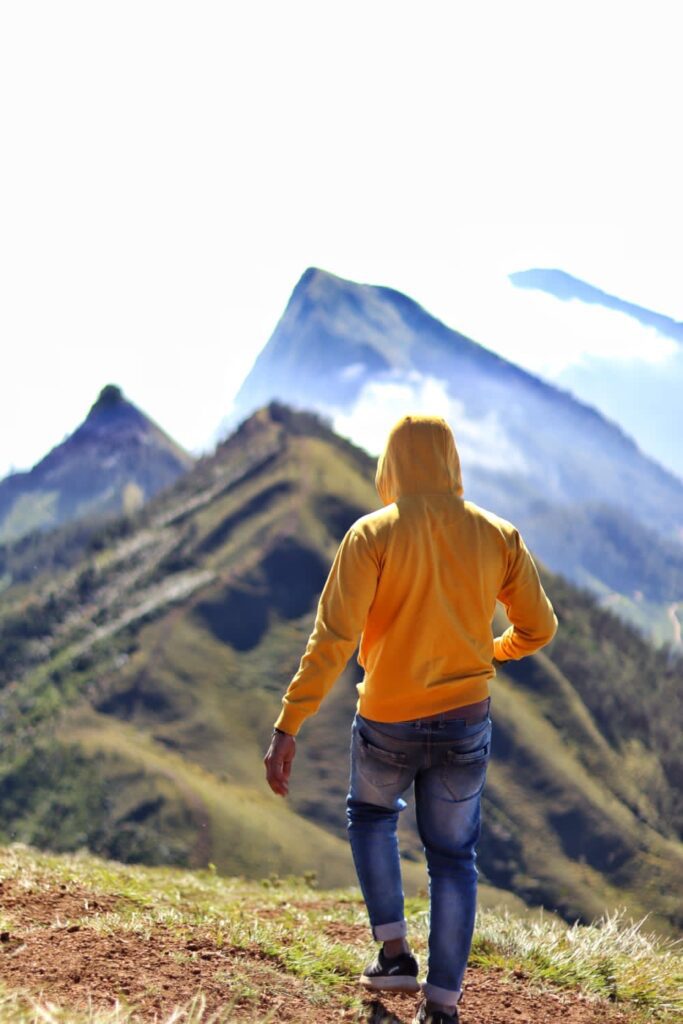
Getting ready for your first trek in Kerala? You don’t need to buy a lot of specialised gear. Start with comfortable footwear, a small backpack and the essentials for your route and weather. What you need can vary from a short day hike to an overnight forest trek, so check your trek instructions before packing.
Use the KeralaTrekking packing checklist to review items for your trek. For a broader guide to packing for different routes and conditions, see our essential packing list for treks in Kerala.
First, check what your trek includes
Before packing, confirm the reporting time, trek duration, route, weather and facilities. Ask which meals or snacks are provided, whether drinking water is available, and what you need to carry yourself. Some treks have specific rules for footwear, food, equipment or personal belongings.
Follow the instructions from your trek organiser and any forest or local authorities. The requirements for one route may not apply to another.
What to carry on most day treks
- Comfortable trekking shoes: Wear shoes with good grip that you have already used on walks. Avoid taking a brand-new pair on the trail, as it may rub and cause blisters.
- A small backpack: Choose a comfortable bag that can hold your water, snacks, rain protection and personal items. A rain cover or dry bag helps protect your belongings.
- Water: Carry enough for the route, weather and your own needs. Ask about refill points rather than assuming water will be available on the trail.
- Food and snacks: Check the meal schedule. If food is served only after the hike, plan ahead and carry suitable snacks for the trail.
- Rain protection: A lightweight rain jacket or poncho can be useful in Kerala’s changeable weather. Keep your phone and spare clothes in a waterproof pouch or dry bag.
- Sun protection: A cap or hat and sunscreen can help on exposed trails. Check the forecast and route conditions before you leave.
- Personal medication: Bring any regular medication you need and let your organiser know about important medical needs or allergies.
- Identification and booking details: Carry the ID or permit details required for your trek, following the organiser’s instructions.
- A bag for your waste: Keep wrappers and other rubbish with you and carry them back.
Choose clothes for the weather and trail
Kerala can be hot and humid, while higher or early-morning trails may feel much cooler. Wear comfortable clothes that let you move freely and dry reasonably quickly. If rain is expected, pack a change of clothes and keep them protected from getting wet.
- Choose breathable trekking clothes suitable for the forecast.
- Wear socks that fit well with your shoes.
- Carry an extra layer for cooler conditions or overnight trips, if needed.
- Pack spare clothes for after the trek if you expect to get wet or muddy.
Do beginners need trekking poles or special equipment?
Not always. Trekking poles can help on steep, uneven or slippery trails, but they are optional on many routes. A headlamp is useful if your trek begins before sunrise, may finish after dark or includes an overnight stay. Check the route plan before deciding what extras to carry.
You usually don’t need to buy expensive gear for your first trek. Borrow or rent optional equipment where practical, and focus first on comfortable shoes and a backpack that fits well.
Rain, mud and leeches
Wet trails can be slippery, and rain can make clothes and bags uncomfortable. Check the weather close to your trek date and follow the organiser’s advice about footwear and rain protection.
Leeches may be present on some forest trails, especially in wet conditions. Use leech socks if they are recommended for your route, and follow your organiser’s guidance. Avoid applying salt, tobacco powder or other substances to the trail or surrounding environment. After the trek, check your clothing and skin and remove any leeches carefully.
Food and water: check the timing
Meal arrangements differ between treks. Some include food, while others ask participants to arrange their own meals. Early starts may also mean there is no time to stop for breakfast before the hike. Check the schedule in advance, eat beforehand if you can, and carry snacks that suit the trek’s instructions and your needs.
Drink water regularly, particularly in hot and humid weather. Carry reusable bottles or a hydration pack and follow any rules about food and drink in protected areas.
What you can leave at home
For most day hikes, you can leave bulky or unnecessary items behind. A lighter backpack is easier to carry, especially on steep climbs.
- Extra clothes you are unlikely to use
- Heavy toiletries or equipment you have not been asked to bring
- Disposable items when a reusable option is suitable
- Speakers or anything that creates noise in forests and wildlife areas
- Anything prohibited by the trek organiser or local authorities
Do not feed, approach or disturb wildlife, or collect plants and other natural objects. Carry every wrapper and bottle back with you.
The night before your first trek
- Check the latest reporting time, weather and organiser’s instructions.
- Confirm which meals, water and equipment are included.
- Pack your bag and charge your phone.
- Keep your ID and booking details easy to find.
- Wear shoes you have already tested on a walk.
- Tell your organiser about relevant medical needs or allergies.
Ready to pack?
Use the KeralaTrekking trek packing checklist to review items for your trek and conditions. Then check the final instructions from your organiser, pack what you need, and enjoy your first trail.

Recent Posts

Kerala Treks from Bangalore: 7 Weekend Trails

New Year Trek in Kerala: Where to Catch the First Sunrise